How Long Does Physical Therapy Take to Work for Common Injuries?
If you are dealing with a lingering ache or recovering from a major surgery, your first question is likely: how long until you are back to normal? Being sidelined is frustrating, and the uncertainty of a recovery timeline only makes it harder. At Grit PT & Performance in Richmond, VA, the goal is to give you more than pain relief — it is to give you a clear, measurable roadmap back to the sports and activities you love.
There is no single answer that fits every person or every injury. Recovery depends on a combination of biology, behavior, and the quality of care you receive. What sets an individualized, performance-driven approach apart is the ability to provide clarity and efficiency at every stage of the process.
Factors That Influence Your Recovery Timeline
Several key variables shape how long your physical therapy journey will take. Understanding them helps set realistic expectations from day one.
Injury severity is one of the most significant factors. A minor muscle strain may require only a few weeks of focused care, while a complex post-surgical case or a high-grade ligament tear involves more substantial tissue repair and a longer rebuilding process.
Consistency and adherence to your plan matter just as much as what happens in the clinic. One-on-one sessions ensure every minute is optimized, but the work you do between appointments is equally important. Following your personalized movement plan keeps progress steady and prevents setbacks.
Finally, tissue biology plays a role that cannot be rushed. Bones generally take six to eight weeks to heal, while tendons and ligaments — which have lower blood flow — require more time and gradual loading to regain full strength and resilience.
Typical Timelines for Running Injuries
For Richmond's active running community, time away from training is a serious disruption. Running physical therapy at Grit PT & Performance addresses both the healing process and the underlying mechanics that contributed to the injury in the first place.
Plantar Fasciitis
Most runners experience significant pain reduction within four to eight weeks. However, building the foot and calf resilience needed for high-mileage training often takes three to six months. Treatments such as dry needling can address trigger points and support faster tissue recovery during this process.
IT Band Syndrome
This condition typically responds well within six to twelve weeks. The primary focus is on hip stabilization and correcting movement mechanics that place excess stress on the lateral knee.
Runner's Knee (Patellofemoral Pain)
By targeting quadriceps strength and gluteal control, most athletes find meaningful relief within six to twelve weeks. Addressing the root cause — not just the symptoms — is what makes the difference in long-term outcomes.
At Grit PT & Performance, readiness to return to running is not based on guesswork. Running gait analysis and objective performance testing are used to confirm that your body can handle the demands of training before mileage is increased.
The Post-Surgical Recovery Process
Post-surgical rehabilitation follows specific biological phases, and respecting those phases is essential for a safe and lasting recovery.
ACL Reconstruction
ACL recovery typically spans nine to twelve months. The early phase focuses on protecting the graft and restoring range of motion. As healing progresses, the emphasis shifts to rebuilding foundational strength. Blood flow restriction (BFR) training is often integrated early in this process, allowing meaningful muscle development without placing heavy loads on a healing joint.
Rotator Cuff Repair
Most rotator cuff repairs target a return to full overhead activity around four to six months post-surgery. Throughout each phase, isokinetic testing and force plate assessments are used to confirm that strength benchmarks are met before progressing to higher levels of activity.
This data-driven approach removes the guesswork from post-surgical progression and ensures that each step forward is earned and supported by objective evidence.
How Grit PT & Performance Supports Recovery in Richmond
Grit PT & Performance is built around a higher standard of care. Every element of the approach is designed to remove inefficiency and focus on what actually drives results.
- One-on-one sessions: Each appointment is spent exclusively with a Doctor of Physical Therapy. You are never passed off to a technician or left to complete exercises without direct supervision.
- Objective performance data: Tools such as VALD force plate testing and dynamometer testing move the conversation beyond subjective feedback. Concrete data shows exactly how much strength has been regained, making return-to-sport decisions safe and well-supported.
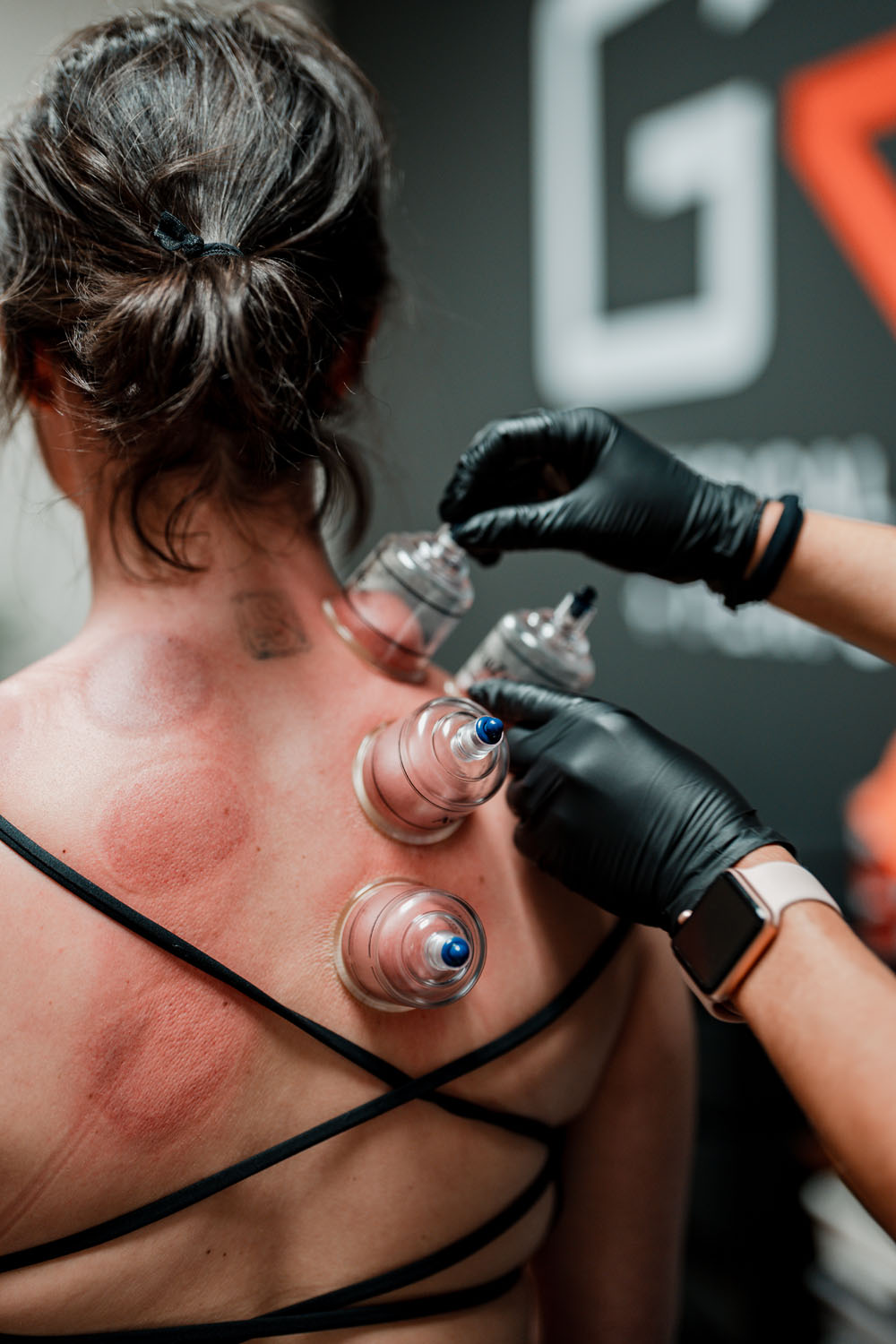
- Advanced treatment modalities: From manual therapy and cupping to BFR training and dry needling, a full range of evidence-informed tools is available to manage pain and optimize tissue health simultaneously.
- Movement screening: A thorough functional movement assessment helps identify deficiencies that could slow recovery or increase re-injury risk, so those gaps are addressed proactively.
The goal at Grit PT & Performance is not simply to return you to where you were before the injury. It is to identify what contributed to the problem, correct it, and build a more resilient, higher-performing version of you.
If you are ready to stop wondering when you will feel better and start taking measurable steps toward recovery, Grit PT & Performance in Richmond is ready to build your personalized plan.
Contact Grit PT & Performance today to schedule your evaluation and take the first step toward peak performance.
Ready to Move Better and Feel Stronger?
Whether you're dealing with pain, preparing for a big training block, or just want to stay ahead of injuries, we're here to help. Book a Free Discovery Call and let's build a plan that works for you.