ACL Rehab in Richmond, VA
Return to Your Sport After ACL Surgery
ACL rehab designed for athletes who refuse to settle for basic clearance. We use objective testing and sport-specific progressions to make sure you come back stronger — not just healed.
What Happens When ACL Rehab Falls Short
You're Cleared But Don't Feel Ready
Your surgeon gives you the green light, but deep down you know you're not ready. That hesitation is data — and it means there's still work to do.
Reinjury Risk Becomes Real
Generic protocols leave gaps in strength and movement quality that don't show up until you're back on the field — and by then, the re-injury risk is already elevated.
Your Athletic Identity Takes a Hit
Months of cautious rehab leave you feeling like a shadow of your former athletic self. Without a performance-focused approach, you may never fully close that gap.
ACL Rehab Built for Athletes Who Compete
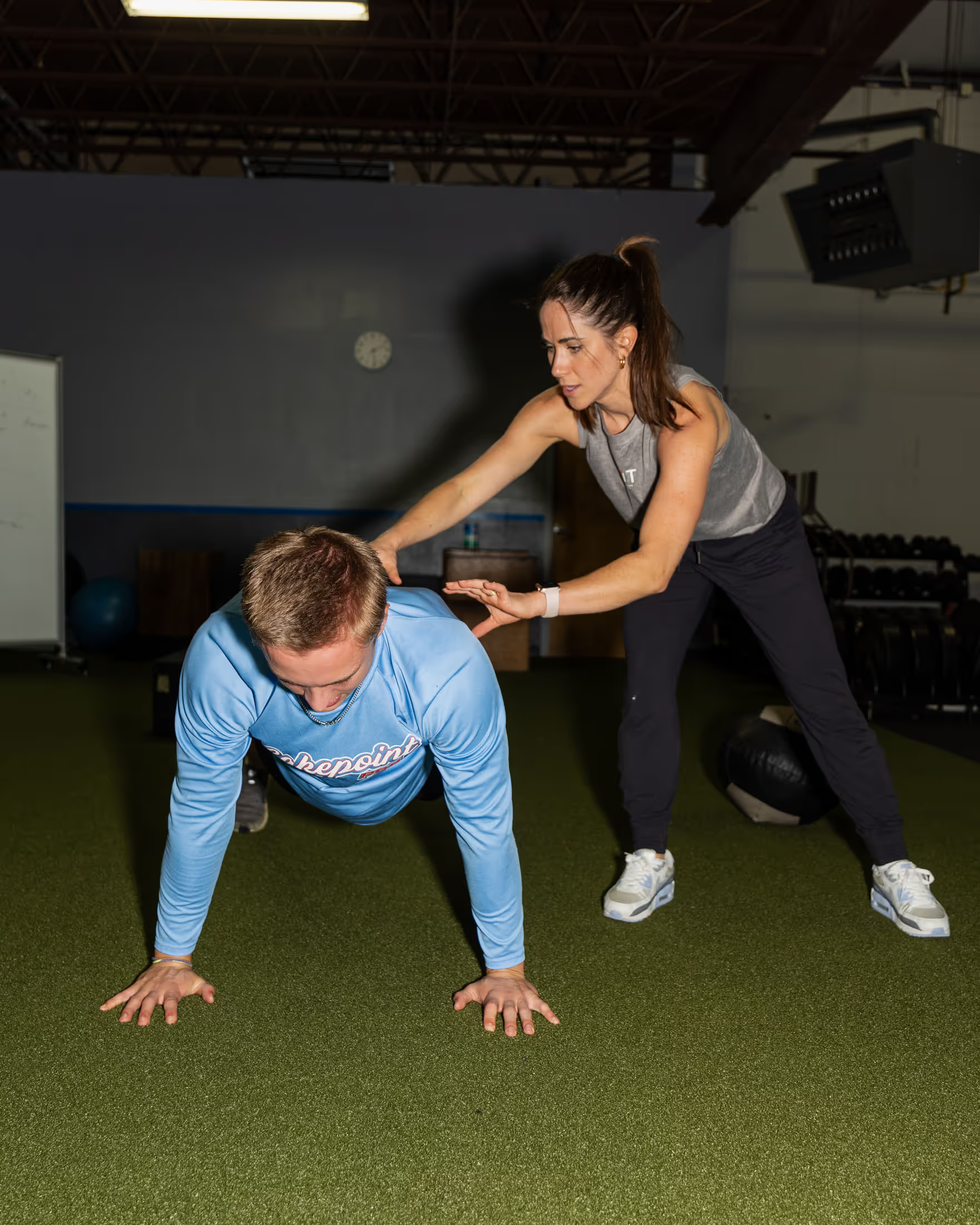
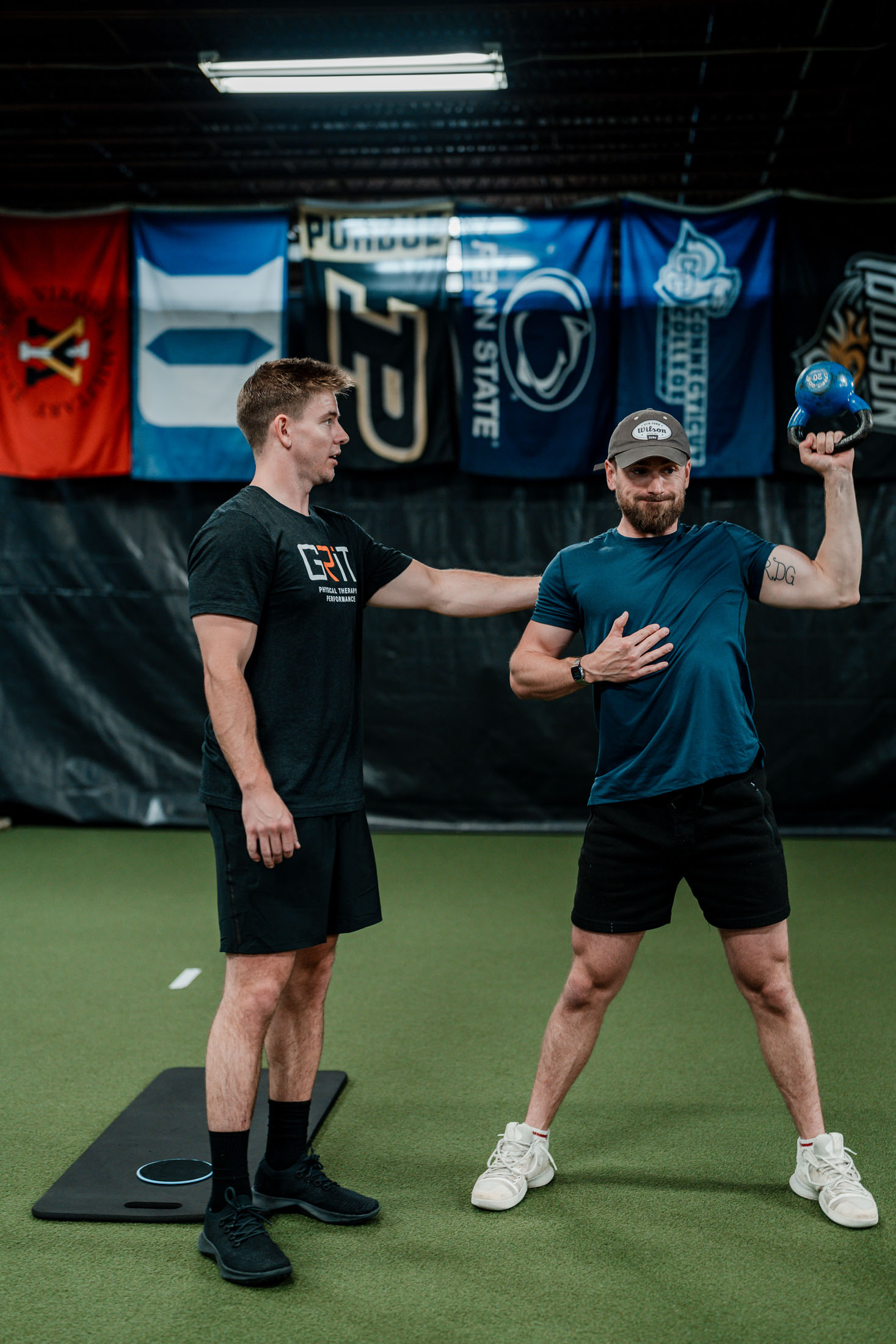
We don't just follow your surgeon's protocol—we build on it. Our Doctors of Physical Therapy combine surgical guidelines with advanced testing, progressive strength training, and sport-specific prep to help you return stronger and more resilient than before your injury.

Protocol-Based, Performance-Driven
We respect your surgeon's timeline and restrictions while layering in the strength, power, and movement quality work that generic protocols overlook.

Objective Testing at Every Phase
Force plate assessments, strength benchmarks, and hop tests tell us objectively when you're ready to progress — not just when the calendar says you should be.

One-on-One Every Session
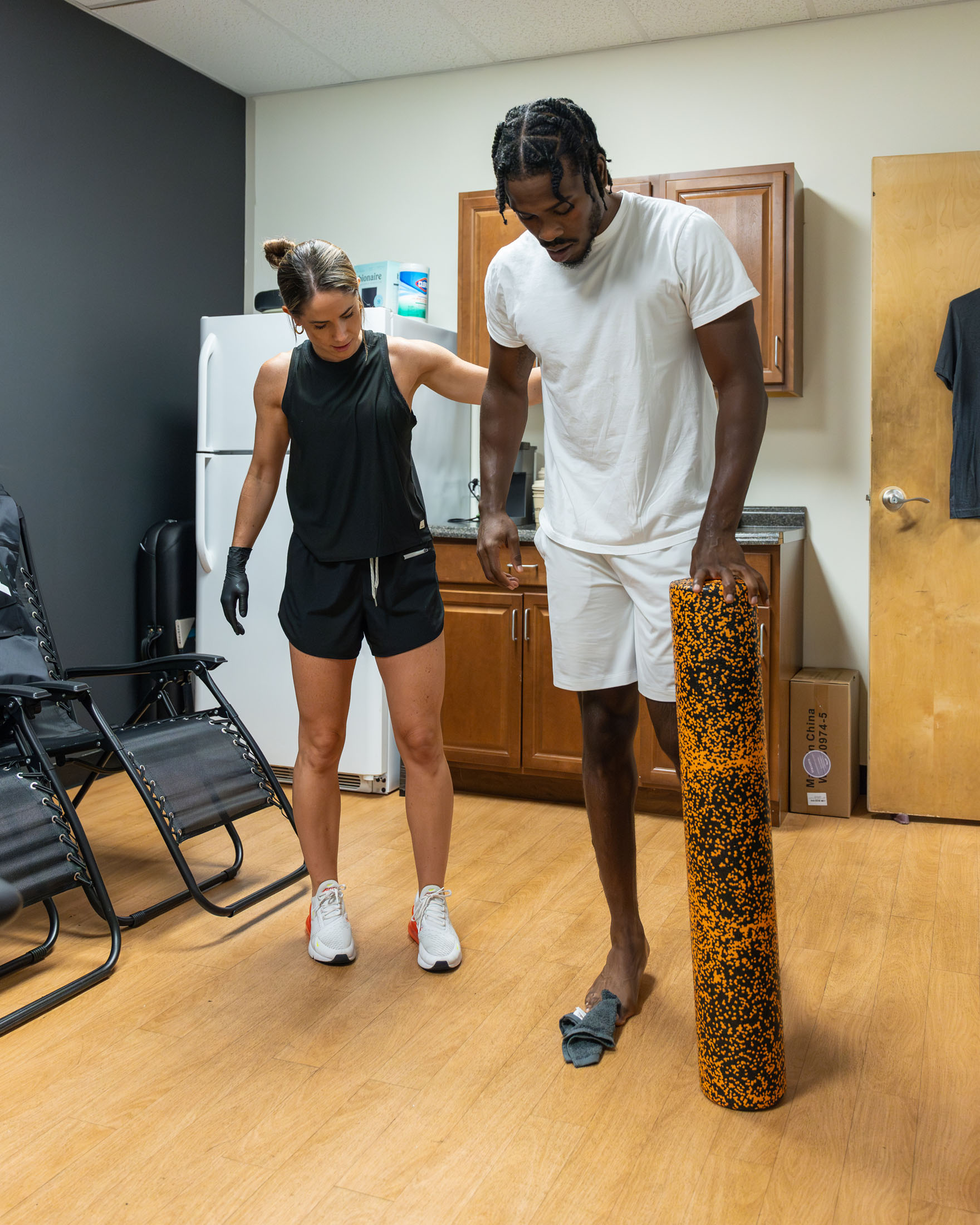
A full hour with your PT—no sharing time, no rotating therapists. The same expert every session, tracking your progress and pushing you appropriately.
%201.svg)
Sport-Specific Return Training
Whether you're getting back to soccer, basketball, lacrosse, or the gym, your plan is built around the specific demands of what you're returning to.
Gabby and her team are amazing! I have seen Gabby for several areas of pain and she has very much helped get me back on track. She takes the time to really listen and understand your concerns. I couldn't recommend her more!


Conditions We Address in ACL Rehab
Our ACL rehab programs are designed for athletes recovering from ACL reconstruction who want a return-to-sport experience built on objective data and performance standards.
ACL tears requiring surgical reconstruction
Post-op quad and hamstring strength deficits
Knee swelling and joint stiffness after surgery
Meniscus involvement alongside ACL injury
Return-to-sport testing and clearance gaps
Re-injury risk and movement pattern faults
Multi-ligament knee injuries and instability
Fear of re-injury and psychological readiness
How We Help You Get Back in the Game
Evaluate and Create a Plan
We spend quality time finding the root cause of your pain and create a comprehensive treatment plan to get you moving.
Execute the Plan
Treatment starts on Day 1 with manual therapy, dry needling, blood flow restriction training, and targeted gym work.
Perform + Recover
Get back to your sport, work, and life goals. We'll help you optimize performance and recover when you push it hard.
What Active Adults Are Saying About Physical Therapy at Grit


Common Questions About ACL Rehab at Grit
Here are answers to the questions we hear most often from athletes recovering from ACL reconstruction surgery.
Most surgeons want you starting physical therapy within 1-2 weeks after surgery. Early range of motion work and quad activation are critical to your long-term success. We'll coordinate with your surgeon to make sure we're following the right protocol from day one.
Absolutely. We respect your surgeon's guidelines and restrictions at every phase. What sets us apart is that we layer performance work—strength training, plyometrics, and sport-specific prep—on top of the protocol to ensure you return better than before.
Most athletes work with us for 4-9 months depending on the surgery type, graft choice, and sport demands. Return to sport clearance typically happens around 9-12 months post-op. We'll give you a clearer timeline after your evaluation based on your specific goals.
That's when the real performance work begins. Being cleared to play doesn't mean you're ready to compete at 100%. Many athletes continue working with us after clearance to bridge the gap between 'allowed to return' and 'ready to dominate.' We help you build the strength, power, and confidence to compete without fear.
We use objective testing like force plate asymmetry screens, hop test batteries, and strength benchmarks to identify weak links before you return. We also address landing mechanics, cutting patterns, and neuromuscular control to make sure your body can handle sport demands. Our goal is to make your repaired knee as strong—or stronger—than it was before the injury.
Still have questions?
We're here to help. Reach out and we'll walk you through what to expect.